Lined and Unlined Journaling Papers and Print Templates
As a brand designer, I often seek out graphic design assets that can elevate a small business’s visual identity without overwhelming it. Lined and Unlined Journaling Papers offer a versatile foundation for local business branding, product packaging, and promotional material. These print templates are more than just paper—they’re a tool for storytelling, consistency, and emotional connection.
The First Impression: Mood and Brand Personality
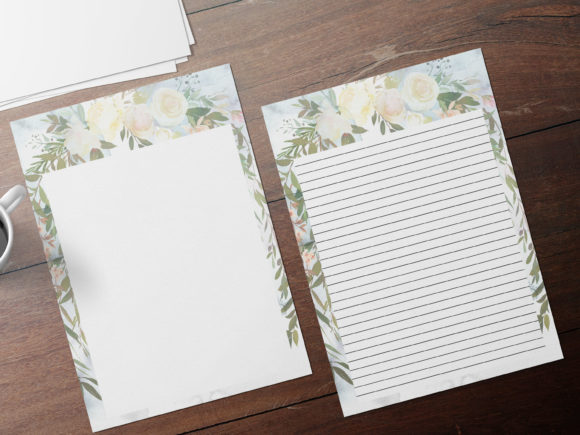
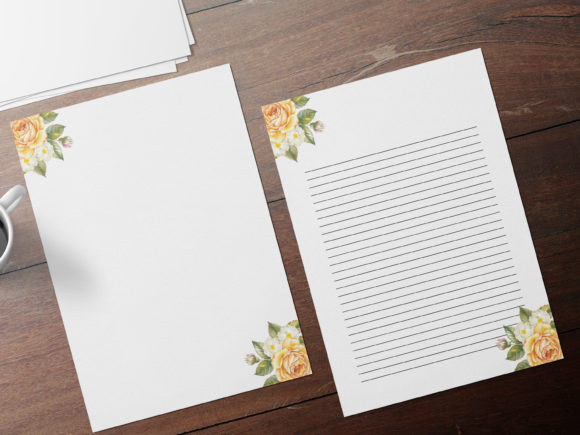
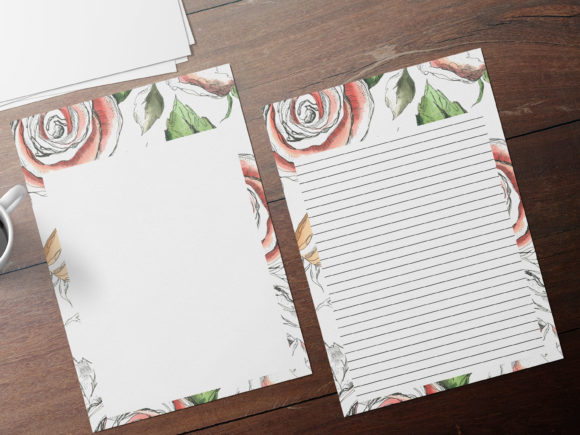
Lined and Unlined Journaling Papers immediately convey a sense of creativity and intentionality. The clean lines of the lined version suggest structure, organization, and professionalism, while the unlined option feels more organic, freeform, and expressive. Depending on the style, these papers can lean into a rustic, modern, or even whimsical aesthetic. For a handmade soap business or a boutique store, the unlined version might feel more authentic, while the lined version could work well for a coffee shop or bakery looking to maintain a polished look.
These papers have a soft, approachable energy that fits well with small business branding, especially for businesses targeting a community-driven or artisanal audience. They don’t scream “commercial,” but they do exude a thoughtful, handcrafted quality that resonates with customers who value authenticity.
Real-World Applications in Local Business Design
From logo design to packaging design, Lined and Unlined Journaling Papers can be adapted for multiple use cases. A bakery might use them as a background for their menu graphics or as part of a seasonal campaign. A skincare brand could incorporate them into product labels or thank-you cards. Even a florist might find them useful for creating elegant hang tags or promotional banners.
These print templates also serve as a great base for social media graphics, website banners, and promotional ads. Their clean layout allows for easy integration with other design elements like logos, product images, and text. For a handmade business, they can act as a visual anchor that ties together different aspects of the brand identity.
Supporting Business Presentation and Brand Consistency
One of the most valuable aspects of Lined and Unlined Journaling Papers is how they support stronger first impressions. When used consistently across product labels, packaging, and marketing visuals, they help build a cohesive brand identity. This consistency not only improves product recognition but also enhances customer trust.
They also contribute to clearer visual hierarchy. Whether used as a background or a decorative element, these papers allow important information—like product names, pricing, or brand messaging—to stand out without being lost in clutter. For a food business or a home decor shop, this clarity can make all the difference in how customers perceive the brand.
Where Lined and Unlined Journaling Papers Shine
These print templates excel in situations where visual appeal and brand personality matter. Product labels, for example, can benefit from the subtle texture and pattern of Lined and Unlined Journaling Papers, making them more eye-catching on the shelf. They also work well as hero graphics for social media campaigns or as part of a product mockup that showcases a new line of handmade goods.
For a boutique owner or a creative entrepreneur, these papers can add a unique touch to seasonal packaging or limited-edition products. They’re ideal for creating a sense of exclusivity without breaking the bank on custom design work.
When to Use Them Carefully
While Lined and Unlined Journaling Papers are highly versatile, there are scenarios where they may not be the best fit. In formal corporate branding, for instance, their casual aesthetic might clash with a more professional or minimalist brand identity. Similarly, they may not be suitable for very small labels or crowded product packaging where space is limited.
In areas where legal information or ingredient lists need to be clearly visible, these papers could interfere with readability. It’s also important to consider contrast—on low-contrast backgrounds, the details may not pop as expected. For luxury brands that prioritize simplicity, the decorative elements might feel excessive.
Practical Designer Notes for Small Business Owners
Before finalizing any design, I always recommend testing Lined and Unlined Journaling Papers on real packaging mockups. This helps visualize how the design will look when printed and whether it aligns with the brand’s goals. Black and white usage should also be considered, as some patterns may lose their impact without color.
Check how the design appears on small labels and ensure it works well with your brand colors. Compare it with competitor packaging to see if it stands out in a positive way. If you’re using a digital product like a Canva template, review the PNG transparency and inspect SVG or vector editability to ensure flexibility in future updates.
Finally, always confirm the commercial license before using the asset for client work or physical product sales. Many creative marketplaces offer these templates, but licensing terms can vary widely. Make sure you’re clear on what you can and cannot do with the design.
Conclusion: A Valuable Addition to Any Brand Designer’s Toolkit
Lined and Unlined Journaling Papers are more than just a print template—they’re a powerful tool for small business branding, product packaging, and promotional material. Whether you’re a local business owner, a handmade seller, or a packaging designer, these assets can help you create a more engaging and consistent brand experience.